
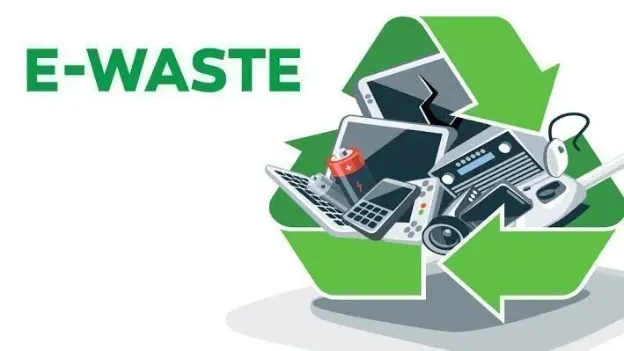
A technology upgrade can look simple from the outside. New computers arrive, employees move to updated systems, and older equipment is pushed into a storage room. Yet that final step can create a surprisingly complex problem. Retired desktops, laptops, servers, monitors, networking devices, and accessories can quickly accumulate when there is no clear recovery strategy. For organizations managing large quantities of equipment, e-waste IT recycling in bulk provides a structured way to handle outdated assets while supporting responsible recovery.
Old technology should not simply be treated as unwanted clutter. Some equipment may still have resale or reuse potential, while other devices may contain recoverable materials. A clear plan helps businesses determine the right destination for every asset instead of making disposal decisions at the last minute.
Technology Refreshes Create Asset Pressure
Businesses upgrade technology for many reasons. New software may require better hardware, security standards may change, or older systems may no longer provide the performance employees need. Large office relocations and infrastructure upgrades can also result in hundreds of devices being retired at once.
Without advance planning, these assets can become difficult to manage. Equipment may be mixed together, important records can be lost, and functional devices may remain untouched for months.
Planning the recovery process alongside the technology upgrade gives businesses better control. IT teams can identify equipment before replacement, organize collection schedules, and determine which assets require further assessment.
A Clear Inventory Creates Better Control
The first practical step is knowing exactly what is being retired. A desktop computer is not simply a desktop computer when its specifications, age, condition, and storage configuration can influence its recovery value.
An organized inventory can record equipment types, serial numbers, specifications, physical condition, and location. This information creates visibility across the entire retirement process.
Accurate records also make it easier to separate equipment by category. Functional systems can be considered for reuse or resale, while damaged devices can be directed toward component recovery or recycling.
Evaluation Reveals Remaining Hardware Value
Age alone does not determine whether IT equipment has value. A relatively old computer may contain a powerful processor, usable memory, or a healthy storage system. Similarly, networking hardware may still be suitable for secondary applications even after a company has upgraded its infrastructure.
Professional evaluation examines the condition and functionality of equipment before a final decision is made. Devices can then be classified according to their potential for reuse, refurbishment, resale, component recovery, or recycling. Working with an IT scrap purchaser Dubai can help businesses assess large quantities of retired equipment and identify suitable recovery opportunities.
This approach prevents businesses from treating every retired device as waste. It also creates an opportunity to recover value from assets that still have practical uses.
Data Security Must Come Before Disposal
Old IT equipment can contain much more information than businesses realize. Hard drives and other storage devices may retain customer records, employee documents, financial information, emails, passwords, and internal business files.
Deleting folders or performing a basic reset may not always provide sufficient protection. Before equipment is transferred, resold, or recycled, storage devices should undergo appropriate data sanitization.
Secure data wiping or physical destruction can help prevent unauthorized access to information. The correct approach depends on the type of device, its future use, and the organization’s security requirements.
Choosing The Right Recovery Route
Once equipment has been inventoried and assessed, each category needs an appropriate destination. Reusable systems may enter secondary markets, while devices requiring minor improvements can be refurbished.
Some equipment may be more valuable for individual components than as a complete system. Functional memory, processors, power supplies, circuit boards, and other parts can potentially be recovered.
Equipment that has reached the end of its useful life should move through responsible recycling channels. This ensures that recoverable materials are separated and processed appropriately rather than being unnecessarily sent to landfill.
Bulk Recovery Needs Practical Coordination
Handling a large collection of retired IT assets requires more than finding a place to take them. Businesses need to coordinate collection, transportation, sorting, evaluation, documentation, and final processing.
This becomes particularly important when equipment is distributed across multiple departments or locations. Poor coordination can lead to missing assets, unnecessary handling, and delays during office upgrades.
Working with an IT scrap purchaser Dubai can help businesses create a more organized route for surplus technology. Professional buyers and recovery specialists can assess equipment, coordinate bulk handling, and determine suitable recovery options based on condition and market potential.
Storage Delays Can Reduce Efficiency
Keeping old equipment in storage may seem harmless, particularly when businesses have not yet decided what to do with it. However, large volumes of unused technology can occupy valuable space and make future inventory management more difficult.
Long storage periods can also expose equipment to dust, moisture, accidental damage, or component deterioration. Accessories can become separated, cables may be misplaced, and records can become outdated.
A clear retirement schedule ensures that equipment moves through the recovery process at the right time instead of becoming a permanent storage problem.
Create A Repeatable Asset Strategy
Technology retirement happens repeatedly. A business may replace computers this year, networking equipment next year, and servers after that. Treating each event as an isolated disposal project creates unnecessary work.
A repeatable strategy makes future upgrades easier. Businesses can establish inventory procedures, data security requirements, assessment standards, collection schedules, and documentation practices that can be reused for every technology refresh.
This creates consistency while reducing the time required to organize future recovery projects.
Conclusion
Old IT assets require more than a quick removal from the workplace. They need a clear strategy covering inventory, evaluation, data protection, recovery, transportation, documentation, and responsible recycling. When businesses plan these stages in advance, they can recover value from usable equipment, protect sensitive information, reduce storage pressure, and support stronger environmental practices.
For organizations managing large volumes of retired technology, e-waste IT recycling in bulk can become an important part of a practical asset lifecycle strategy. Businesses seeking organized support for responsible IT asset recovery can consider E-Waste IT Recycling as a convenient partner for managing outdated equipment efficiently and sustainably.