
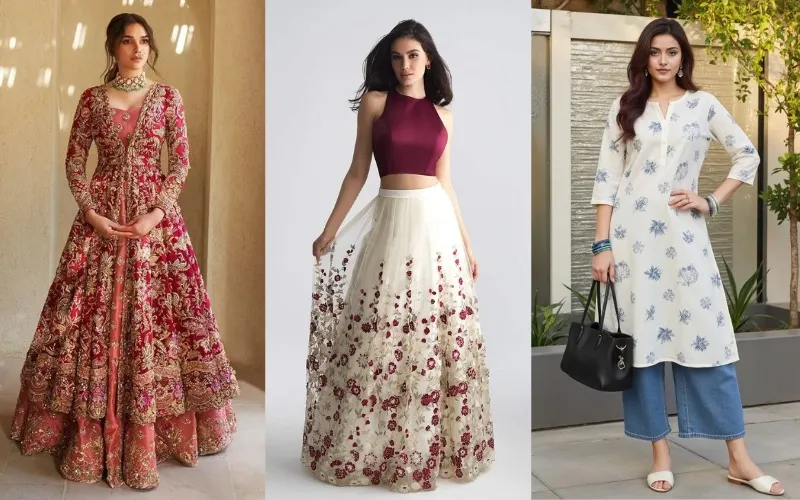
Getting dressed for a party can feel surprisingly difficult when many choices seem possible. abestoutfit.com can help readers explore party outfits, styling ideas, clothing combinations, seasonal dressing, accessories, and practical fashion guidance for different celebrations. A party outfit does not need to be expensive, dramatic, or packed with accessories to look good. The better approach usually involves choosing clothing that suits the occasion, feels comfortable, and matches the atmosphere without appearing forced. A birthday gathering, evening celebration, office event, wedding-related function, rooftop dinner, and casual house party can all require completely different levels of dressing. Weather matters too because a beautiful outfit becomes difficult when the fabric feels uncomfortable or the layers become impractical. Shoes can change the whole outfit as well, especially when a party includes standing, dancing, walking, or moving between different locations. Colors, textures, proportions, and accessories should support one another instead of competing for attention. Personal style remains important throughout the process because copying a popular look does not guarantee that the outfit will feel natural. The strongest party clothing often looks simple at first, but small details make the combination feel intentional. Good preparation also reduces last-minute stress because clothing, footwear, and accessories are already considered before the event begins.
Match Clothes With The Occasion
Every party has its own atmosphere, and clothing should respond to that atmosphere without becoming overly complicated. A casual gathering usually allows relaxed trousers, clean denim, simple shirts, comfortable dresses, or smart separates depending on personal preference. More formal celebrations may require structured clothing, polished footwear, stronger tailoring, or dressier fabrics that create a more refined appearance. Office parties can be slightly tricky because the outfit needs to remain festive while still respecting professional expectations. Wedding-related events often allow more color and decoration, although the exact level depends on the venue and cultural setting. Outdoor celebrations may require practical layers because temperatures can change significantly during the event. Evening parties often suit deeper colors, richer textures, and more noticeable accessories, while daytime gatherings can work beautifully with lighter shades and breathable materials. The invitation, location, timing, and expected atmosphere can provide useful clues before anything gets selected. People sometimes make the mistake of choosing clothing based only on what looks attractive inside a store. That ignores how the outfit needs to behave during the actual event. A practical party look should make sense for the setting and the activities expected. Choosing according to the occasion creates a strong starting point before colors, accessories, or specific clothing pieces receive attention.
Choose Colors That Work Together
Color can completely change the mood of a party outfit without requiring different clothing styles. Neutral shades such as black, white, beige, navy, grey, and brown provide flexible foundations that can support brighter accent pieces. Richer colors such as burgundy, emerald, deep blue, plum, and chocolate can create a stronger evening appearance when the occasion allows more visual depth. Softer shades may suit daytime events because they can feel lighter and more relaxed. Combining too many strong colors can make the outfit appear visually crowded when the pieces already contain noticeable patterns or textures. A useful approach involves choosing one primary color family and then adding one or two supporting shades. Metallic details can also introduce a festive effect through jewelry, bags, shoes, belts, or subtle clothing accents. Prints can work beautifully when the rest of the outfit remains comparatively simple. Stripes, checks, florals, geometric patterns, and abstract designs can each create different impressions depending on scale and color contrast. Skin tone can influence how certain shades appear, although there is no universal rule that limits people to particular colors. Personal comfort matters more than rigid fashion formulas. Lighting inside the venue can also change how colors look compared with natural daylight. Checking the complete outfit under similar lighting can sometimes reveal combinations that look unexpectedly different. Good color coordination should feel balanced rather than perfectly matched. A little contrast often creates more personality than using the same shade from head to toe.
Build Around One Strong Piece
Starting with one standout clothing piece can make party styling much easier because the rest of the outfit has a clear direction. That main piece might be a sequined top, a tailored blazer, a distinctive dress, patterned trousers, a statement shirt, or an unusually textured jacket. Once that item is selected, simpler pieces can support it without creating unnecessary competition. This method works especially well when someone wants to look dressed up without buying an entirely new wardrobe. A dramatic jacket can transform simple trousers and a plain top into an event-ready combination. A polished dress may only need comfortable shoes and restrained jewelry to feel complete. Statement trousers can work with a quieter blouse or shirt when the lower half already contains strong visual detail. The same idea applies to accessories because one unusual bag or pair of earrings may provide enough visual interest for the entire look. People often overdo an outfit because they think every item must contribute equally to the final impression. Usually that creates visual noise instead of stronger style. One clear focal point gives the eye somewhere to settle. The remaining clothing can then create balance through color, shape, or texture. This approach also makes dressing faster because fewer pieces need to compete during the selection process. Strong party styling does not require several dramatic items working simultaneously. One memorable piece can often carry the entire outfit while simpler clothing creates the necessary support.
Select Fabrics For Comfort
Fabric becomes especially important when a party involves several hours of movement, standing, sitting, eating, dancing, or traveling between locations. Clothing that looks attractive but feels uncomfortable can become distracting very quickly during a long event. Lightweight fabrics may work better during warm weather, while thicker materials can provide useful comfort during cooler evenings. Breathable materials can help when venues become crowded or indoor temperatures rise unexpectedly. Stretch can also be helpful when clothing needs to remain comfortable during movement. Structured fabrics can create a polished appearance, although they may require more careful fitting. Satin, velvet, sequined materials, lace, denim, cotton blends, wool blends, and smooth synthetic fabrics can all create very different party impressions. The choice should depend not only on appearance but also on expected conditions. Delicate fabrics may require additional care because food, drinks, seating arrangements, and crowded spaces can create practical risks. Wrinkling deserves attention too because some materials lose their polished appearance after travel or extended sitting. People attending events away from home may benefit from fabrics that remain relatively easy to manage. Layering can also provide more flexibility because one outer layer can be removed when the room becomes warmer. Comfort should never be treated as separate from style. Clothing usually looks better when the person wearing it can move naturally without constantly adjusting hems, sleeves, waistbands, or straps. Choosing suitable fabric creates a better foundation for the entire party outfit.
Pick Shoes You Can Actually Wear
Shoes can influence both the appearance and practicality of a party outfit, yet they are often selected only after everything else has been decided. That can create problems when the footwear does not match the clothing or becomes uncomfortable within the first hour. Heels can create a dressier appearance, while polished flats, loafers, boots, clean sneakers, or low-profile sandals can provide different levels of formality depending on the event. The venue should influence the decision because outdoor grass, uneven surfaces, long walking routes, or crowded floors can make certain footwear choices difficult. A shoe should also complement the overall proportions of the outfit. Chunkier footwear can balance wider trousers or heavier layers, while sleeker shoes may suit streamlined clothing. Color coordination can remain subtle because shoes do not need to match the outfit exactly. A related shade can often look more natural than an identical color. People attending long parties should think honestly about how long they expect to remain standing or moving. Comfortable footwear may become the difference between enjoying the event and spending the evening thinking about sore feet. New shoes should ideally be tested before an important celebration because unfamiliar footwear can cause unexpected discomfort. Practicality does not make an outfit less fashionable. A well-chosen comfortable shoe can actually make the entire appearance look more confident because the wearer moves naturally instead of carefully protecting every step. Footwear deserves consideration early rather than becoming the final rushed decision.
Layer For Changing Weather
Weather can change the practical requirements of party clothing, especially when celebrations involve outdoor spaces or travel between different locations. A lightweight jacket can provide useful warmth during cooler evenings without overwhelming the rest of the outfit. Blazers, cardigans, tailored coats, overshirts, lightweight scarves, and structured jackets can all serve different purposes depending on the setting. Layers also provide visual interest because removing one piece can create a slightly different appearance during the same event. People attending daytime celebrations may begin in cooler conditions and later experience stronger warmth under sunlight. Removable layers provide flexibility without requiring a completely separate outfit. Fabric weight matters because heavy layers can become uncomfortable when temperatures rise. A breathable base under the outer layer can make the entire combination easier to manage. Rain also deserves consideration when the forecast appears uncertain because delicate footwear and fabrics can create unnecessary problems. Practical outerwear does not need to look ordinary. A well-fitted jacket can become one of the strongest parts of a party outfit. Color can be coordinated with the main clothing while texture provides contrast. People can also carry a compact layer when storage space is available at the venue. Weather planning may seem like a small detail, but it can prevent major discomfort during long celebrations. A stylish outfit remains much more useful when it continues working after conditions change.
Use Accessories With Restraint
Accessories can make a simple outfit feel much more intentional, although adding too many pieces can quickly create a crowded appearance. Jewelry, watches, belts, handbags, scarves, hair accessories, and subtle decorative details can each contribute something different. The key involves deciding which areas already contain enough visual interest. A detailed neckline may not need a large necklace, while statement earrings could work beautifully with simpler clothing. A bold handbag may become the main accent when the rest of the outfit remains quiet. Belts can help define proportions when worn with loose dresses, long shirts, or oversized layers. Watches and bracelets can add subtle polish without becoming the center of attention. Metallic finishes can also connect separate pieces when the same general tone appears across jewelry and footwear details. People should consider the practical side as well because large accessories may become irritating during dancing, eating, or extended movement. Heavy earrings can feel uncomfortable after several hours, while oversized bags may become inconvenient inside crowded venues. Accessories should therefore support the outfit and the activities surrounding the event. Personal style can remain visible through small details even when the clothing itself stays relatively simple. People often remember a coherent overall appearance more than the number of accessories used. A restrained approach makes it easier to see the clothing itself while still giving the outfit a finished quality. Good accessory choices feel connected to the outfit rather than added at the final moment simply because something seemed missing.
Consider Different Body Proportions
Clothing proportions can influence how a party outfit appears because different cuts emphasize different areas of the body. Loose trousers can create a relaxed silhouette, while tapered styles can produce a cleaner and more structured impression. High-rise bottoms may visually lengthen the lower body for some wearers, while longer tops can create a different balance. Cropped jackets can emphasize the waist area, while longer layers can create additional vertical lines. Dresses and skirts also produce different shapes depending on length, structure, movement, and fabric weight. There is no single correct silhouette because fashion should work with personal comfort and preference. People can experiment with proportions rather than following rigid rules about what supposedly suits a particular body type. The same clothing item can look completely different depending on what it is paired with. Wide trousers may feel balanced with a fitted top, while a loose top may work better with narrower bottoms. Oversized clothing can also create a stylish appearance when the overall proportions are intentional. Fit remains more important than simply choosing a particular size because different brands and cuts can vary considerably. Clothing that pulls, bunches, hangs awkwardly, or restricts movement may reduce confidence even when the design itself looks attractive. Trying the complete outfit together can reveal proportion problems that are not obvious when pieces are examined separately. A mirror view from different angles can also help. The goal is not hiding particular body areas. It is creating a silhouette that feels comfortable, balanced, and personally appealing.
Style For Evening Energy
Evening parties often create more freedom around richer colors, stronger textures, polished accessories, and slightly more dramatic clothing choices. Darker shades can work well because artificial lighting often gives deeper colors a sophisticated appearance. Velvet, satin, sequined details, polished leather-like textures, metallic accents, and structured tailoring can all create stronger evening character. This does not mean every evening outfit needs to be highly decorated. A simple dark outfit can look extremely polished when the fit is good and one or two details provide contrast. A statement jacket can create drama over a plain base, while elegant jewelry can elevate a simple dress. Footwear also becomes more visible during evening events because the outfit may be seen under brighter indoor lights and photographs. People should consider how the outfit appears under flash photography because shiny materials can reflect light differently than expected. Hair styling can also change the overall effect without requiring major clothing changes. A polished evening outfit should still allow natural movement and enough comfort for the event’s duration. Crowded venues can make excessive layers or oversized accessories inconvenient. Party energy does not require discomfort. Confidence often comes from knowing the clothing fits properly and works with the environment. Evening styling provides more room for experimentation, but strong results still come from balance. A little drama can create excitement while leaving enough visual space for the person to remain the focus.
Keep Daytime Looks Relaxed
Daytime celebrations usually allow lighter clothing choices, softer colors, breathable materials, and more relaxed styling without losing a festive appearance. Floral patterns, light trousers, casual dresses, clean shirts, tailored shorts where appropriate, and comfortable footwear can work across many daytime settings. Outdoor brunches, garden gatherings, family celebrations, and daytime birthdays may require clothing that handles sunlight and changing temperatures well. Breathable fabrics become particularly helpful when the event involves outdoor movement. Light layers can also protect against cool air in shaded areas or indoor spaces with strong cooling systems. Accessories can remain understated while still providing enough personality. A colorful bag, patterned scarf, simple jewelry, or interesting shoes may be enough to make the outfit feel special. Daytime clothing does not need to resemble ordinary workwear unless the venue specifically calls for that style. Texture can create a festive effect even when colors remain soft. Linen blends, textured cotton, lightweight tailoring, and subtle patterns can add visual interest without looking overly formal. People should also consider how easily the clothing handles food and outdoor activities. Practicality matters because a daytime event can involve sitting on different surfaces, walking around, or spending time outside. Shoes should suit those conditions rather than being selected solely for appearance. The best daytime party outfit often feels polished but not overly serious. That balance allows the wearer to participate comfortably while still looking prepared for a celebration.
Create A Personal Outfit Formula
A personal outfit formula can make party dressing easier when someone frequently attends different events and does not want to start from nothing every time. The formula might involve a preferred silhouette, a few dependable colors, comfortable footwear, and several accessories that work across different combinations. This creates familiarity without forcing every party outfit to look identical. Someone may prefer tailored trousers with a fitted top and structured jacket, while another person may feel best in dresses with simple shoes and minimal accessories. The formula should reflect actual comfort instead of following a trend simply because it appears frequently online. Once a reliable base exists, small changes can adapt the outfit to different occasions. Color can change according to season, while accessories can create a stronger evening or daytime effect. A jacket can also move the same base from casual toward more polished territory. Keeping a few dependable pieces in good condition can save time before unexpected invitations. People should know which clothing items fit well and which combinations already feel comfortable during long events. This reduces the need for stressful experimentation shortly before leaving. An outfit formula does not mean repeating the same clothing every time. It means creating a starting point that makes new combinations easier to build. Personal style becomes more recognizable when certain proportions, colors, or accessories appear naturally across different looks. That consistency can feel more authentic than constantly changing styles according to whatever happens to be popular. The strongest fashion routines usually provide freedom through familiarity rather than endless choices.
Prepare Before The Party
Preparation can make a good party outfit feel much easier because small problems are usually simpler to fix before leaving home. Clothing should be checked for wrinkles, loose threads, missing buttons, stains, or other visible issues before the event day whenever possible. Shoes can be cleaned and tested for comfort rather than becoming a last-minute surprise. Accessories should also be gathered ahead so important pieces are not forgotten during rushed preparation. People traveling to another location may benefit from trying the complete outfit before packing it. This can reveal that certain combinations crease easily or require additional layers. Weather forecasts can also influence footwear, outerwear, and fabric choices when the event occurs outdoors. Hair and grooming plans should fit the overall clothing rather than becoming completely separate decisions. The outfit should be viewed as one complete appearance before leaving home. Taking a quick photograph can sometimes reveal proportions or color combinations that look different from a mirror view. This does not require perfection or professional photography. It simply provides another perspective. People can also prepare a backup layer or alternate footwear when the event is expected to last several hours. Practical preparation reduces the likelihood of spending the party adjusting uncomfortable clothing. This can make the evening more enjoyable because attention remains on the people and event rather than constant wardrobe problems. Good preparation is not about obsessing over appearance. It is about removing small obstacles before the celebration begins. A little planning often makes personal style feel much more relaxed.
Conclusion
Party dressing becomes easier when clothing choices begin with the actual occasion instead of starting with trends or random pieces from the wardrobe. The location, time of day, weather, expected activity, and level of formality can all provide useful direction before colors and accessories are considered. A strong outfit does not need numerous dramatic elements because one memorable piece can often create enough personality while simpler clothing provides balance. Color combinations work best when they create harmony without making every item look identical, and comfortable fabrics can make long celebrations much easier to enjoy.
Shoes deserve practical attention because standing, walking, dancing, and uneven surfaces can change what feels suitable during an event. Layers can help when weather changes, while accessories can add personality when used with restraint. Proportions and fit also matter because the right silhouette can make clothing feel more natural and confident. Evening events may allow richer colors and stronger textures, while daytime celebrations often suit lighter fabrics and relaxed combinations. A personal outfit formula can simplify future choices without making every look identical.
Preparing before the event can prevent many small problems because clothing, footwear, accessories, and weather requirements become easier to manage when checked early. Personal style should remain flexible because every party offers a different atmosphere and people naturally develop different preferences over time. The most successful party outfit is usually the one that looks intentional while still allowing the wearer to move, socialize, and enjoy the event comfortably.
For readers interested in party outfits, celebration clothing, evening looks, daytime party dressing, color coordination, accessories, footwear, fabric choices, outfit formulas, seasonal styling, and practical fashion guidance, continue exploring dependable fashion resources and useful outfit ideas through abestoutfit.com, choose clothing that fits the occasion and your personal style, prepare thoughtfully, and build party looks that feel confident, comfortable, and genuinely enjoyable to wear.
Read also :-