
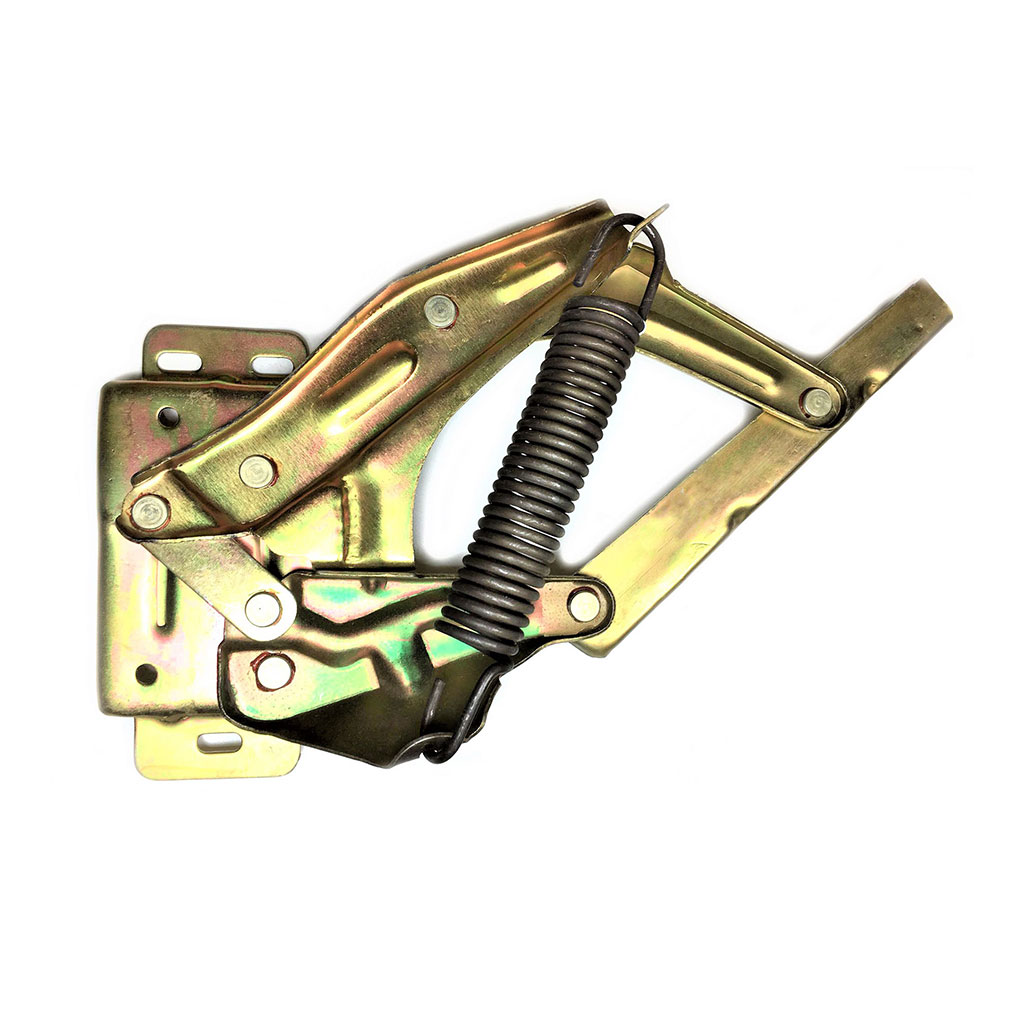
In many factories today, parts are not always cut piece by piece using slow methods. Instead, manufacturers often press flat sheets into shapes using large machines. This process is commonly called Stamped Metal production in industrial environments.
The metal sheet is placed inside a tool set that pushes the material into the required shape. Pressure from the machine forms holes, curves, and edges at the same time. Because of this method, factories can produce many identical parts quickly and keep the size of each piece consistent.
Materials Used In Production
Different industries use many types of materials when building products. One common material that appears in equipment, buildings, and packaging is Glass (TBD). It is used where visibility, protection, or smooth surfaces are required.
This material is created by heating raw ingredients until they melt and then shaping the liquid into solid forms. Once cooled, the result becomes strong, clear, and resistant to many environmental conditions used in daily industrial applications.
Why Metal Stamping Is Popular
Manufacturers often choose Stamped Metal processes because they allow high production speed with reliable precision. The stamping machines can create thousands of identical components without requiring large amounts of manual work.
This method is also useful when companies need parts with exact dimensions. Since the same tool is used repeatedly, every produced piece maintains the same shape and structure. That consistency becomes important when parts must fit perfectly during assembly.
Uses Of Glass In Industry
Many industries depend on Glass (TBD) for both functional and protective purposes. In factories, it can be found in equipment covers, display panels, laboratory containers, and safety barriers around machines.
The material remains stable under many environmental conditions, which makes it suitable for different industrial uses. Its transparent surface also allows workers to monitor processes without directly touching or disturbing the equipment behind it.
Manufacturing Efficiency
One major advantage of Stamped Metal production is the ability to reduce material waste during manufacturing. Metal sheets are shaped precisely, which means factories use their raw materials more efficiently.
The stamping process also supports large-scale manufacturing, where thousands of parts must be produced every day. When machines operate continuously, production remains steady, and companies can meet high demand without slowing down the assembly process.
Strength And Reliability
Industrial equipment and products often rely on Glass (TBD) components because of their stable structure and resistance to chemical reactions. Properly manufactured glass can handle temperature changes and daily usage without losing its shape.
Because of these qualities, many industries use glass for both safety and durability. The material can also be designed in different thickness levels depending on how much strength the application requires.
Conclusion
Modern manufacturing relies on reliable materials and efficient production methods to maintain consistent product quality. The use of Stamped Metal allows factories to produce large numbers of precise components quickly while maintaining uniform shapes and dimensions. At the same time, Glass (TBD) continues to serve many industries due to its strength, clarity, and resistance to environmental conditions. When manufacturers combine strong materials with efficient production processes, they create durable products that perform reliably in real working environments. Companies aiming to improve manufacturing performance should carefully choose materials and production methods that support long-term efficiency and product reliability.
