
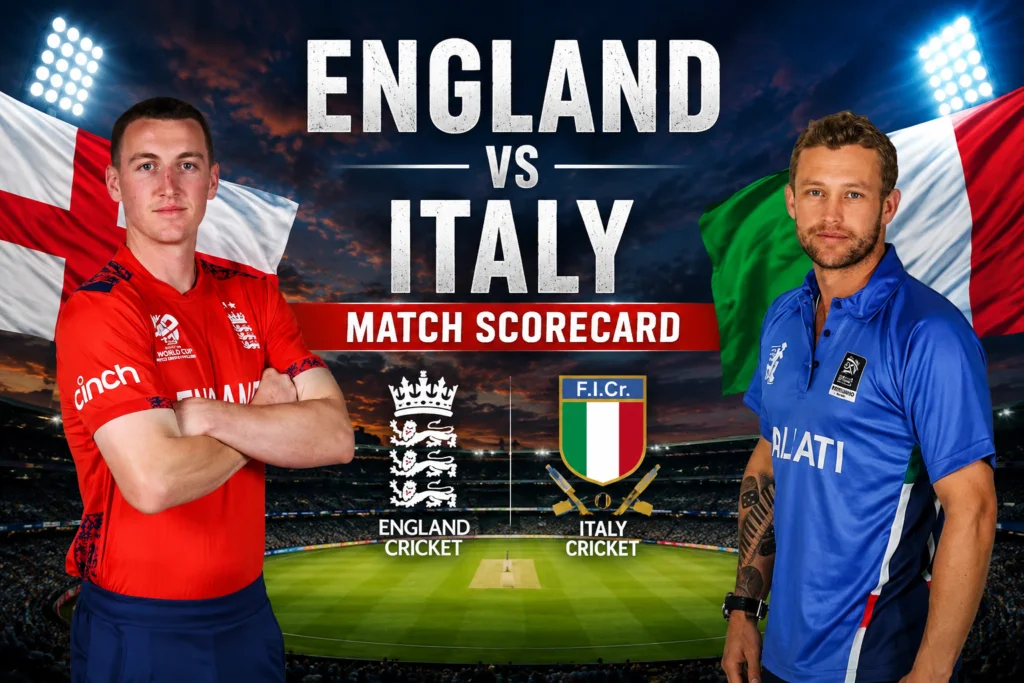
Cricket matches can be decided by small details that are easy to overlook during a quick scorecard check. Extras, wickets, and the timing of dismissals all affect how an innings develops and how the final total is reached. On cricstatsx.com, readers can use scorecard information to connect these details and understand why a match result unfolded as it did. A team may score enough runs through its batters but concede too many extras while bowling. Another side may keep extras low yet lose wickets too quickly to build a competitive total. These figures work together, so looking at only one statistic can give an incomplete picture of performance.
Extras Add Important Runs
Extras include runs awarded through wides, no-balls, byes, leg byes, and certain penalty situations. They contribute to the team’s total but are not credited directly to an individual batter’s score. In a close match, these additional runs can make a noticeable difference to the final margin. A team that concedes several wides may give the opposition extra runs and additional legal deliveries. However, extras should be interpreted with the wider match context because one or two may have little effect on the final outcome. Compare the extras total with the difference between the teams and review how the innings progressed. This helps explain whether additional runs were a meaningful factor or simply a small part of the score.
Wickets Limit Batting Options
Every wicket reduces the number of batters available to continue the innings. When wickets fall quickly, the remaining players may need to protect their positions instead of attacking freely. This can slow scoring and make it harder to reach a strong total. In limited-overs cricket, losing wickets can also change the team’s plan because fewer established batters remain for the final overs. Still, wickets do not always lead to a collapse. A lower-order batter may support a set player and help the team add useful runs. Scorecards should therefore be checked for individual scores, partnerships, and the fall of wickets rather than treating every dismissal as equally damaging.
Look At Match Margins
The final margin provides a useful starting point when deciding whether extras or wickets may have influenced a result. If a team wins by only a few runs, extras conceded during the opponent’s innings deserve a closer look. In a low-scoring match, losing a pair of wickets during a short period may also explain why the batting side fell behind. However, the margin alone cannot prove that one event decided the game. A dropped catch, a boundary, a missed run, or a strong bowling spell may also have affected the result. Scorecard figures summarize the recorded performance, but they do not always explain every tactical decision or fielding error. A fair review considers several events together before identifying the main reasons for a result.
Read Bowling Figures Too
Bowling figures help explain how a team created pressure and controlled the opposition’s scoring. Runs conceded, wickets taken, overs bowled, and economy rate can reveal whether bowlers restricted the batting side or allowed easy scoring. A bowler may take few wickets but still keep the run rate low through accurate deliveries. Another may take important wickets while conceding boundaries between them. Extras should be considered alongside these figures because wides and no-balls can affect both the total and the number of legal balls delivered. Comparing bowling figures with batting scores can show where the innings gained momentum or struggled. This combined view gives readers a more balanced explanation than relying on wickets or economy rate alone.
Partnerships Help Explain Recovery
Partnerships show how much two batters added between dismissals, helping readers understand whether the batting side recovered after losing wickets. A useful stand can stabilize an innings after early trouble and allow the team to build toward a stronger finish. In a chase, partnerships can keep the required scoring rate manageable while preserving wickets for later overs. If a team loses wickets without adding many runs between dismissals, the scorecard may reveal a period of sustained pressure. Extras can still contribute during these partnerships, so the total should not be confused with the runs scored by the two batters alone. Reading partnerships with individual scores and extras helps explain how the innings developed from one stage to another.
Avoid Single Statistic Judgments
A scorecard is most useful when its figures are interpreted together rather than treated as isolated measures of success. A team may concede several extras but still win comfortably because its bowlers take wickets at regular intervals. Another team might avoid extras but lose because its batters struggle to score against accurate bowling. The match format also matters because a few runs can carry different importance in a short chase and a long innings. Check the total, overs, wickets, partnerships, extras, and bowling figures before drawing a conclusion. These details help separate a genuine pattern from an assumption based on one number. A balanced review is more informative and less likely to overlook important parts of the match.
Conclusion
Extras and wickets can influence cricket results by changing totals, limiting batting options, and shifting momentum during an innings. Their importance depends on the match margin, partnerships, bowling performance, and the remaining overs. Readers using cricstatsx.com can compare these scorecard details to understand how a result developed. No single figure explains every close finish, but several related statistics can reveal useful patterns. Checking the complete scorecard provides a clearer picture of team performance and helps readers follow cricket matches with greater confidence.
Read also :-