
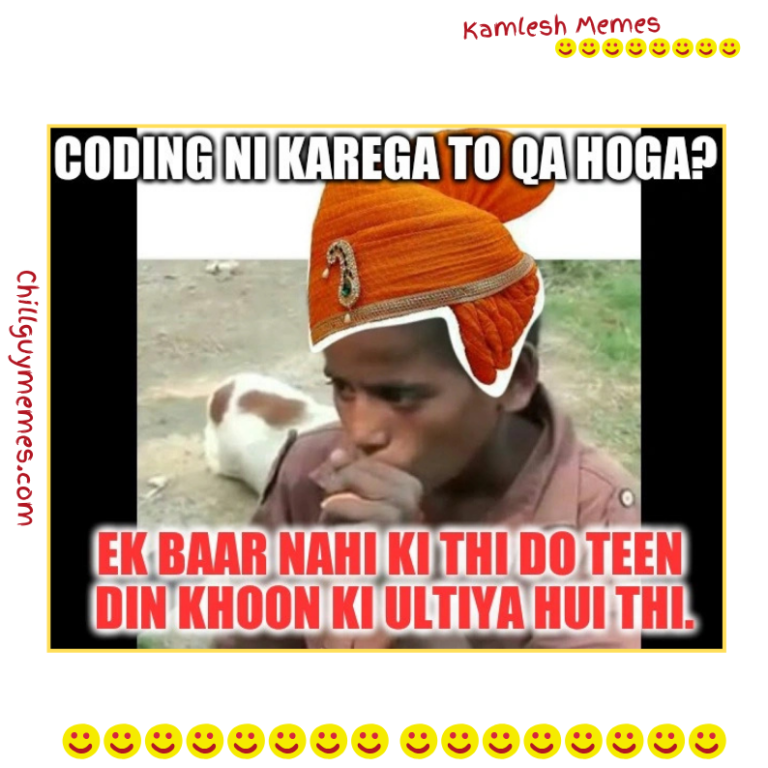
Something strange happens online repeatedly. Old meme formats disappear for months, then suddenly return everywhere with slightly different captions, updated references, or newer editing styles attached to them. Internet culture rarely creates completely original ideas continuously. Instead, users recycle familiar formats because audiences already understand them quickly without needing long explanations.
Recognition matters online more than complexity sometimes. People enjoy seeing familiar joke structures reused creatively because understanding happens instantly during fast scrolling sessions. Nobody wants to stop reading for several minutes trying to decode complicated humor after exhausting workdays or stressful routines.
That recycling process creates strange internet nostalgia too. Older users recognize meme formats from previous years and react emotionally because those jokes remind them about different online eras, platforms, or communities they once followed actively.
Teenagers and younger creators often remix older formats without even knowing original sources anymore. Internet culture moves so rapidly that historical context disappears quickly after trends fade temporarily from public attention.
A meme can change meaning completely depending on caption style, editing choices, or current social situations happening online. That flexibility explains why certain formats survive longer than expected while others disappear permanently after short popularity bursts.
Phones Changed Everything
Smartphones transformed internet humor more than many people acknowledge properly. Before constant mobile access became normal, people consumed online content during specific computer sessions mostly. Now entertainment exists continuously inside pockets, classrooms, offices, buses, and bedrooms without interruption.
That permanent accessibility changed user behavior dramatically. Memes spread instantly because screenshots, reposts, reactions, and edits happen within seconds after content appears online publicly. Timing became incredibly important because viral moments move faster than traditional media cycles completely.
Vertical video formats also reshaped humor styles heavily. Editing patterns, reaction timing, subtitles, and exaggerated expressions evolved around mobile viewing habits specifically. Content creators design jokes for small screens now rather than desktop experiences primarily.
Notification culture intensified this behavior further. People receive endless alerts from applications daily, which fragments concentration constantly. Quick humor performs better inside distracted environments because audiences rarely stay focused on single content pieces for extended periods anymore.
Phones also blurred boundaries between private life and internet culture completely. Someone can experience stressful situations physically while simultaneously consuming jokes about similar problems online minutes later.
That nonstop connection keeps meme culture active almost continuously without clear breaks between entertainment and normal daily routines anymore.
Reaction Culture Feels Different
Internet reactions became their own language honestly. People communicate entire emotions using screenshots, cropped images, facial expressions, looping clips, or exaggerated animations instead of typing direct responses regularly now.
Sometimes a reaction image explains frustration better than paragraphs ever could realistically. That efficiency explains why visual humor dominates digital communication increasingly across social platforms and messaging applications daily.
Younger users especially prefer layered reactions containing irony or indirect emotional meaning. Straightforward responses often feel boring online compared with exaggerated internet humor styles filled with sarcasm and absurdity.
Reaction culture also changes how disagreements happen digitally. Instead of writing long arguments, users frequently respond with jokes mocking opinions or situations indirectly. Humor becomes defensive communication sometimes, though not always constructively.
This behavior influences real-world communication patterns too. People reference memes during conversations offline because internet humor blends naturally into daily speech now. Certain phrases, reactions, or joke structures move from online spaces into normal social interactions surprisingly fast.
The internet no longer feels separated from reality culturally. Online humor shapes language, references, and emotional expression everywhere constantly.
Content Creators Face Pressure
People imagine meme creation feels effortless because final posts look casual or intentionally low quality often. Reality works differently though. Creators constantly monitor trends, audience reactions, algorithm changes, and platform behavior trying to remain relevant daily.
Producing viral humor repeatedly becomes surprisingly difficult after audiences expect continuous entertainment nonstop. Online communities move quickly and become bored rapidly once formats feel repetitive or outdated.
Burnout affects creators heavily because internet culture rewards constant posting frequency aggressively. Missing trends or disappearing temporarily can reduce visibility fast across competitive platforms where thousands of creators upload content simultaneously every hour.
There is financial pressure too. Many creators depend on views, sponsorships, affiliate links, or partnerships for income now. That commercial reality changes creative decisions sometimes because creators balance humor with monetization strategies carefully.
Audience expectations create another problem. Followers often demand authenticity while simultaneously expecting endless entertainment without mistakes or inconsistency. That contradiction becomes exhausting eventually for creators operating publicly online every day.
Despite those difficulties, millions still attempt content creation because viral success feels accessible compared with traditional entertainment industries historically requiring expensive equipment or industry connections beforehand.
Humor Changes Across Regions
Internet memes spread globally, but humor still changes depending on culture, language, social situations, and local experiences across different countries. Some jokes become universally relatable while others make sense only inside specific communities understanding certain references deeply.
Regional humor often performs extremely well because audiences enjoy seeing familiar cultural situations represented online naturally. Local education systems, transportation problems, work environments, political frustrations, and social habits create endless material unique to different populations.
Language itself shapes internet humor heavily too. Certain jokes work perfectly in one language but lose impact completely after translation attempts. Timing, slang, and pronunciation influence comedic reactions more than outsiders realize initially.
Indian meme culture, for example, combines student pressure, family expectations, cricket obsession, job competition, and Bollywood references constantly because those experiences connect emotionally with huge audiences already familiar with them daily.
Global platforms still encourage cross-cultural sharing though. Users regularly discover humor styles from different countries through trending pages, viral clips, and international creators appearing inside recommendation systems online.
That mixture creates fascinating internet spaces where local identity and global culture interact continuously through entertainment and shared reactions.
Conclusion
Internet humor keeps evolving because digital audiences constantly search for fast entertainment, emotional relatability, and shared online experiences that fit naturally into modern browsing habits. Memes influence communication, marketing, workplace culture, education discussions, and even personal identity more deeply than many people recognize initially. Websites like chillguymemes.com highlight how casual internet content continues shaping audience behavior through humor, reactions, and rapidly changing digital trends every single day.
Future online culture will probably become even more visual, fast-moving, and community-driven as platforms compete harder for audience attention worldwide. Understanding internet behavior realistically matters now for creators, businesses, and marketers trying to remain visible online consistently. Keep studying evolving trends carefully, adapt content naturally, and focus on authentic audience engagement for stronger long-term digital growth results.
Read also:-