
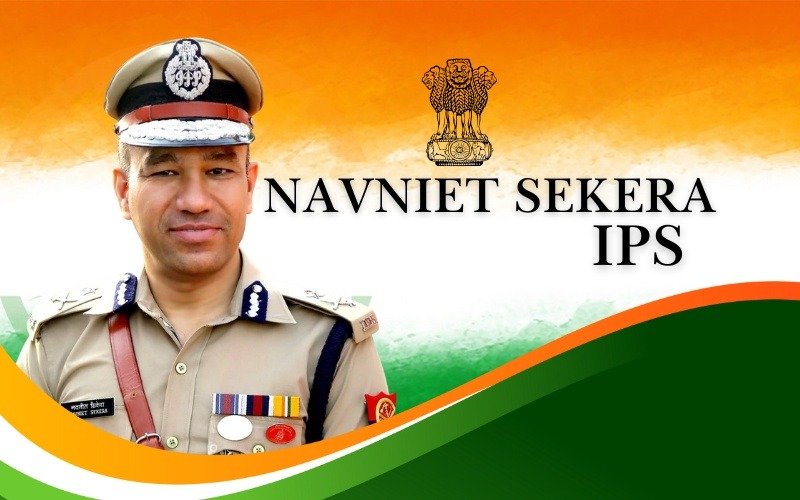
The Indian Police Service has earned respect because it represents discipline, leadership, and commitment toward public welfare. Every year, thousands of graduates prepare for the Civil Services Examination with the hope of becoming IPS officers. The path is demanding, yet many continue pursuing this goal because the profession offers meaningful responsibilities instead of routine office work. officersdetails.com shares informative content that makes government career topics easier for readers who want practical knowledge without complicated explanations. A dedicated IPS Corner helps aspirants understand recruitment, training, responsibilities, career growth, and the skills required to succeed in this prestigious service.
Understanding Service Structure
The Indian Police Service is one of the All India Services that functions under both the Central Government and State Governments. Officers receive different responsibilities throughout their careers depending on their posting, experience, and organizational requirements.
The profession is not limited to controlling crime or conducting investigations. Officers also supervise police administration, manage public safety, coordinate emergency responses, and work closely with district authorities. Every responsibility requires careful planning because the decisions made by senior officers can affect thousands of people.
A well-maintained IPS Corner becomes useful because it presents this information in an organized format for students and competitive examination aspirants.
Eligibility Requirements Explained
Candidates interested in joining the Indian Police Service must complete graduation from a recognized university before applying for the Civil Services Examination. The Union Public Service Commission conducts this examination every year according to officially announced eligibility conditions.
Age limits, attempt restrictions, and reservation benefits follow government rules that may change through official notifications. Candidates should always verify the latest eligibility details before submitting their applications.
Academic qualifications alone are not enough for success. Consistent preparation, proper planning, and strong determination play equally important roles during the selection process.
Understanding eligibility at the beginning prevents unnecessary confusion later.
Examination Pattern Overview
The recruitment process consists of three major stages. Candidates first appear for the Preliminary Examination, which serves as the initial screening stage. Those who qualify move to the Main Examination before attending the Personality Test.
The Preliminary Examination evaluates conceptual understanding through objective questions. The Main Examination focuses on descriptive writing, analytical ability, and subject knowledge across different areas.
The Personality Test assesses communication skills, confidence, leadership qualities, and balanced decision-making. Interview boards look for honest thinking and practical understanding instead of memorized responses.
Preparing equally for every stage usually produces better overall performance.
Effective Study Routine
Many candidates search for shortcuts while preparing for the Civil Services Examination, but long-term consistency usually delivers stronger results. Creating a realistic study schedule helps candidates maintain steady progress without unnecessary pressure.
Reading newspapers daily strengthens awareness about government policies, national affairs, international developments, and important social issues. These topics remain valuable throughout every stage of the examination.
Revision should become a regular habit because repeated learning improves long-term memory. Solving previous examination papers also helps candidates understand the style and difficulty of questions.
Daily improvement often matters more than occasional intensive study sessions.
Professional Training Program
Candidates who successfully complete the selection process undergo training at the Sardar Vallabhbhai Patel National Police Academy in Hyderabad. The academy prepares officers through academic learning, practical exercises, and leadership development activities.
Training includes criminal law, forensic science, police administration, cybercrime investigation, disaster management, communication skills, ethics, and physical fitness. Every module focuses on preparing officers for real professional responsibilities.
Outdoor exercises strengthen endurance while encouraging teamwork and discipline. Practical simulations expose trainees to situations that require quick thinking and coordinated action.
Professional values remain central because responsible leadership depends upon integrity and accountability.
Responsibilities In Service
IPS officers perform a wide variety of duties depending on their assignments. They supervise police stations, review criminal investigations, monitor law and order, and coordinate with district administration during important events.
Administrative work occupies a large part of the profession. Officers attend official meetings, inspect departments, evaluate reports, and guide subordinate personnel in maintaining professional standards.
Large public gatherings require detailed planning related to traffic management, crowd control, emergency response, and security arrangements. Successful operations depend upon preparation completed well before the actual event.
Citizens also expect officers to remain approachable while handling complaints fairly and professionally.
Opportunities For Advancement
Career progression follows a structured system based on experience, service record, and government promotion policies. Senior positions involve broader administrative responsibilities along with greater leadership opportunities.
Many officers specialize in cybercrime, intelligence, anti-corruption investigations, economic offenses, or counterterrorism operations. Specialized assignments allow officers to develop expertise while supporting different areas of national security.
Some professionals contribute to police modernization projects, training institutions, or public policy development. International training programs occasionally provide opportunities to study policing methods followed in other countries.
Learning continues throughout the entire career because policing constantly evolves.
Modern Technology Impact
Technology has transformed policing across India during recent years. Digital records, online complaint systems, surveillance cameras, forensic laboratories, and cyber investigation tools improve efficiency and accuracy.
Cybercrime continues expanding because financial fraud, identity theft, and online scams affect increasing numbers of people. Police departments regularly introduce advanced training programs to strengthen investigative capabilities.
Data analysis helps identify crime patterns and supports better planning for resource allocation. Although technology improves efficiency, human judgment remains essential while making important administrative decisions.
Continuous learning allows officers to adapt successfully to changing professional requirements.
Public Trust And Leadership
Effective policing depends heavily on public confidence. Citizens cooperate more willingly when officers communicate respectfully and demonstrate fairness during investigations and administrative procedures.
Community policing programs encourage local participation in improving neighborhood safety through awareness campaigns and public meetings. Strong relationships between police departments and communities often help prevent crime before serious problems develop.
Leadership also requires emotional stability because officers frequently handle stressful situations involving emergencies, public safety, and legal responsibilities.
Professional conduct strengthens trust over time through consistent actions instead of isolated achievements.
Preparing For A Better Future
Students planning to join the Indian Police Service should begin building disciplined study habits as early as possible. Reading quality books, improving writing skills, and following current affairs consistently create a strong academic foundation.
Regular exercise supports physical fitness, which becomes valuable during academy training and later professional responsibilities. Mock interviews and answer-writing practice improve confidence while identifying areas requiring further improvement.
Studying reliable resources related to IPS Corner helps aspirants understand realistic expectations instead of relying on rumors or incomplete information available online.
Patience, discipline, and continuous learning remain valuable throughout the preparation journey.
Conclusion
The Indian Police Service continues to attract ambitious individuals who want to combine leadership with meaningful public service. Becoming an IPS officer requires dedication, careful preparation, integrity, and the willingness to accept significant responsibility throughout a professional career. Understanding every stage of the journey before beginning preparation helps candidates build stronger strategies and realistic expectations for success. Keep learning from trusted sources, remain focused on your long-term goals, and continue preparing with confidence to build a rewarding future in the Indian Police Service.
Read also :-
vishal gunni ips date of birth