
Most people arrive in Ajmer with one thing in mind. The Dargah deserves every bit of the devotion it receives, and the atmosphere inside is genuinely extraordinary. But Ajmer has considerably more to offer than its most famous address. Ancient mosques, a 12th-century lake with marble pavilions, a hilltop fort, two exceptional Jain temples, and markets that deliver the full Rajasthani sensory experience. Here is everything worth doing once you step beyond the Dargah gates.
Getting there and sorting your stay
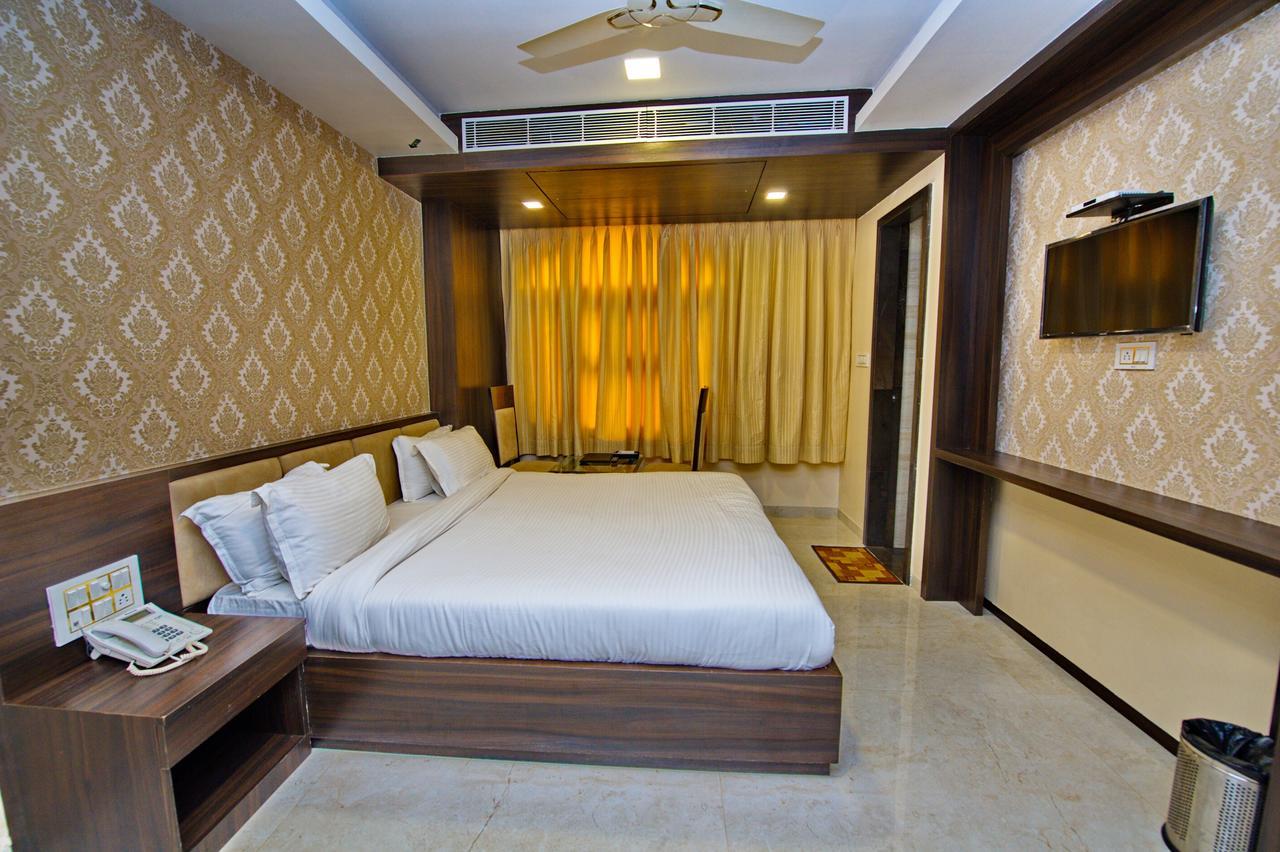
Ajmer is about 135 km from Jaipur and is well-connected by rail and road. October to March is the best time to visit when the weather is pleasant, and the lake is at its most photogenic. Sort your hotels in Ajmer in advance during the Urs festival period, when the city fills up quickly. A central stay near the old town keeps every attraction on this list within easy auto-rickshaw distance.
The heritage sites: Ajmer’s architectural story
Ajmer’s history stretches back nearly a thousand years and its built heritage reflects every chapter of it. These three sites together cover the full sweep of the city’s architectural identity.
Adhai Din Ka Jhonpra: One of India’s oldest mosques
Adhai Din Ka Jhonpra is one of the first mosques ever built in India and is located on the outskirts of Ajmer. It was originally constructed as a wooden building; however, due to weathering and decay, it now stands mostly in ruins. The Adhai Din Ka Jhonpra consists of many rows of intricately carved pillars, beautifully carved arched windows, and a variety of calligraphic inscriptions. To get the best lighting for photographs of this mosque, visit it during early morning hours when sunlight comes through the openings in the arched windows and shines on the pillars.
Akbar’s Fort and Rajputana Museum: History in a 16th-century palace
The Akbari Fort, also known as the Government Museum of Ajmer, is a 16th-century structure built by Emperor Akbar that now houses the Rajputana Museum. The museum displays an impressive collection of coins, religious sculptures, miniature paintings, and arms, much of it from local excavation sites. The fort itself is architecturally striking, and the collection inside gives a thorough introduction to the region’s layered history.
Taragarh Fort: The hilltop view most visitors skip
Taragarh Fort sits on a steep hill above the city and rewards those who make the climb with panoramic views of Ajmer spreading out below. Inside the compound is the Miran Saheb Ki Dargah, a small sacred shrine that adds a spiritual dimension to what is primarily a heritage and viewpoint visit. Go in the late afternoon for the best light over the city.
Explore the lakes: Ajmer’s natural breathing spaces
Ana Sagar Lake: Mughal pavilions and sunset on the water
The most historic site to visit in Ajmer is the Ana Sagar Lake. This lake was built between 1135 and 1150 A.D. by Anaji Chauhan, but the Mughals later made changes to it. The lake is 13 kilometres long, providing a peaceful setting in the middle of the city, used for boating, bird-watching, and witnessing spectacular sunsets that paint the water with colour.
Foy Sagar Lake: The quieter alternative on the city edge
About 8 km from the city centre, Foy Sagar Lake is a calm, unhurried spot that most Dargah visitors never reach. An artificial lake built in 1891 during a famine relief project, it sits against a backdrop of low hills and offers wide, uninterrupted views of the Aravalli range. No crowds, no commercial activity, and a complete absence of the city’s usual intensity make it the right place to decompress on an Ajmer afternoon.
Visit the Jain temples: Two extraordinary stops
Soniji Ki Nasiyan: The golden miniature city inside a temple
Also known as the Red Temple or Lal Mandir, Soniji Ki Nasiyan on Prithviraj Marg is a 19th-century Jain temple dedicated to Lord Rishabhdev, the first Tirthankara. The main hall houses one of the most extraordinary interior spaces in Rajasthan: a two-storied golden diorama of the Jain cosmological universe, populated by gilded figures, miniature buildings, and elaborate scenes from Jain scripture. It is genuinely unlike anything else in the city and takes most visitors completely by surprise. Budget at least an hour here.
Nareli Jain Temple: Modern architecture in a dramatic hilltop setting
Situated on the outskirts of Ajmer, this Jain Temple is a contemporary Digambara Jain complex set against a rocky hillside with a series of smaller shrines carved into the rock face around the main temple. The architecture is striking, the setting is dramatic, and the whole complex is considerably more serene than the city centre. A worthwhile stop for anyone interested in Jain heritage who wants a contrast to the older structures in the old city.
Shop at the markets: Ajmer’s retail personality
Visit to Ajmer is incomplete without time spent in the city’s most characterful markets. Dargah Bazaar, just outside the shrine, is famous for flowers, candles, and chaddars used in the offering rituals. Mahila Mandi near the city centre is a women-focused fabric market selling salwar kameez, sarees, and Indian textiles at honest prices. Madar Gate is the perfect place for Rajasthani souvenirs, juttis, bandhani work, accessories, and handicrafts.
Ajmer has a great deal more to say than its most famous address
The Dargah is the reason millions come. The lake pavilions, the ruined mosque, the golden miniature city inside the Jain temple, and the fort above the skyline are the reasons those who look further always leave with more. Give Ajmer two full days, and it will earn both of them.