
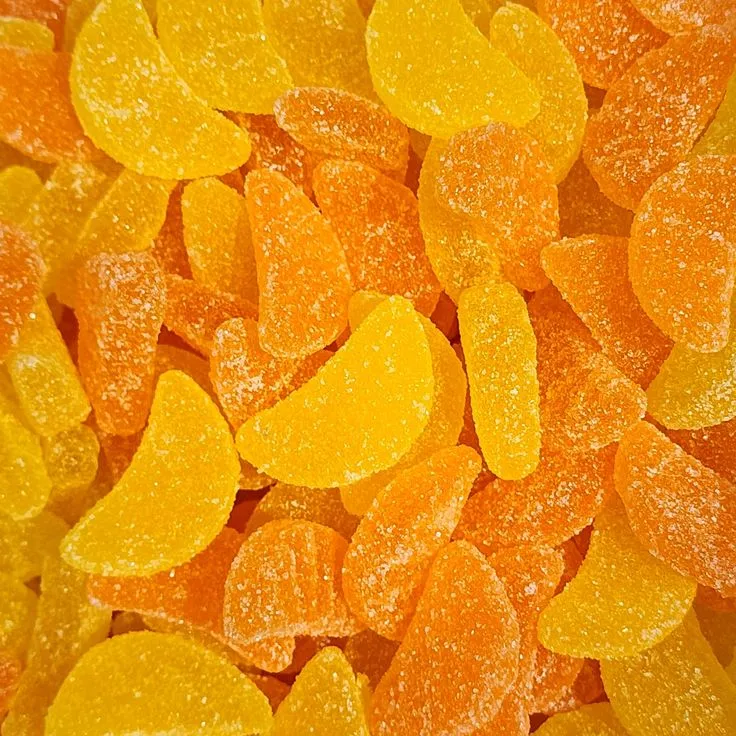
For teams using natural orange food coloring, consistency matters just as much as the first shade match. Orange can look different when a recipe moves from a small bench sample to a full production batch, especially when fat, acidity, heat, or solids change how the pigment is seen. FoodRGB lists annatto, paprika oleoresin, and beta carotene among natural options for yellow-to-orange applications. Comparing these sources in the real formula helps developers choose a color that can be repeated without constant adjustments later in everyday production.
Orange Can Have Several Sources
Annatto, paprika oleoresin, and beta carotene can all create warm orange tones, but they do not behave as identical ingredients. Each source brings its own undertone, solubility, and response to processing conditions. A seasoning blend may suit one option, while a beverage or dairy product may be easier with another. Instead of choosing by color name alone, developers can compare samples under the same recipe conditions. That makes it easier to see which pigment gives the intended appearance without creating extra mixing or stability problems during scale-up.
Annatto From Yellow to Orange
FoodRGB identifies bixin and norbixin as the main pigments in its annatto systems. Bixin is oil-soluble, while norbixin is water-soluble, giving manufacturers different routes depending on the product. The company offers annatto in powder, liquid, oil, and custom formulations and lists a useful pH range of about 5.0 to 10.0. Those options can support dairy, baked goods, snacks, seasonings, confectionery, and selected beverages. The key is choosing the form that suits the recipe rather than assuming every annatto product will behave the same way.
Yellow Needs Practical Testing
A developer searching for yellow food coloring should also look beyond a bright laboratory sample. FoodRGB lists turmeric and beta carotene as natural alternatives for Yellow 5, while annatto, paprika oleoresin, and beta carotene appear among alternatives for Yellow 6. These ingredients can produce related shades, yet the finished food determines which one is most useful. pH, water or fat content, heat exposure, and the desired undertone should all be checked before the color is approved for routine manufacturing during commercial scale-up and storage.
Heat Can Separate Similar Options
Two warm colors may look almost identical before processing and separate clearly after heating. Baked snacks, sauces, processed dairy foods, and confectionery can expose pigments to very different temperatures and holding times. FoodRGB describes annatto as heat-stable within its stated conditions, but manufacturers should still run the selected formulation through the actual production step. Checking the shade again after cooling gives a more realistic result. This is particularly useful when several candidate colors look equally good at the beginning of development but respond differently once heat is introduced.
Batch Size Changes Mixing
A small trial gives developers close control over mixing, but a commercial tank, tumbler, or blender changes how ingredients move. Longer mixing times, transfer steps, and larger volumes can affect color distribution even when the formula itself has not changed. Pilot batches should therefore include checks from different points in the process. If one area looks darker or lighter, the answer may be a change in addition order, pre-dispersion, or concentration. Solving that issue before regular production helps prevent shade variation from becoming a recurring quality problem.
Packaging Changes the Final Impression
Color performance continues after manufacturing is finished. Clear bottles, transparent wrappers, cartons and opaque pouches expose products to different levels of light and oxygen. Storage temperature and time can also influence how a warm shade is perceived. Developers should keep samples from pilot or production trials and review them at planned intervals under realistic conditions. A color that looks excellent on the day of manufacture may not be the strongest choice if it shifts later. Shelf checks give the team evidence that cannot be seen in a fresh sample.
Conclusion
Orange and yellow color development works best when the pigment is matched to the complete product and process. Annatto, paprika oleoresin, beta carotene, and turmeric can all contribute useful warm shades, but their performance depends on formulation conditions, mixing, heat, and storage. Manufacturers can use foodrgb.com to explore natural color systems and application support for different foods and beverages. Testing at bench, pilot, and shelf-life stages gives teams a better chance of selecting a color that remains consistent from the first batch through the product’s time with the customer.