
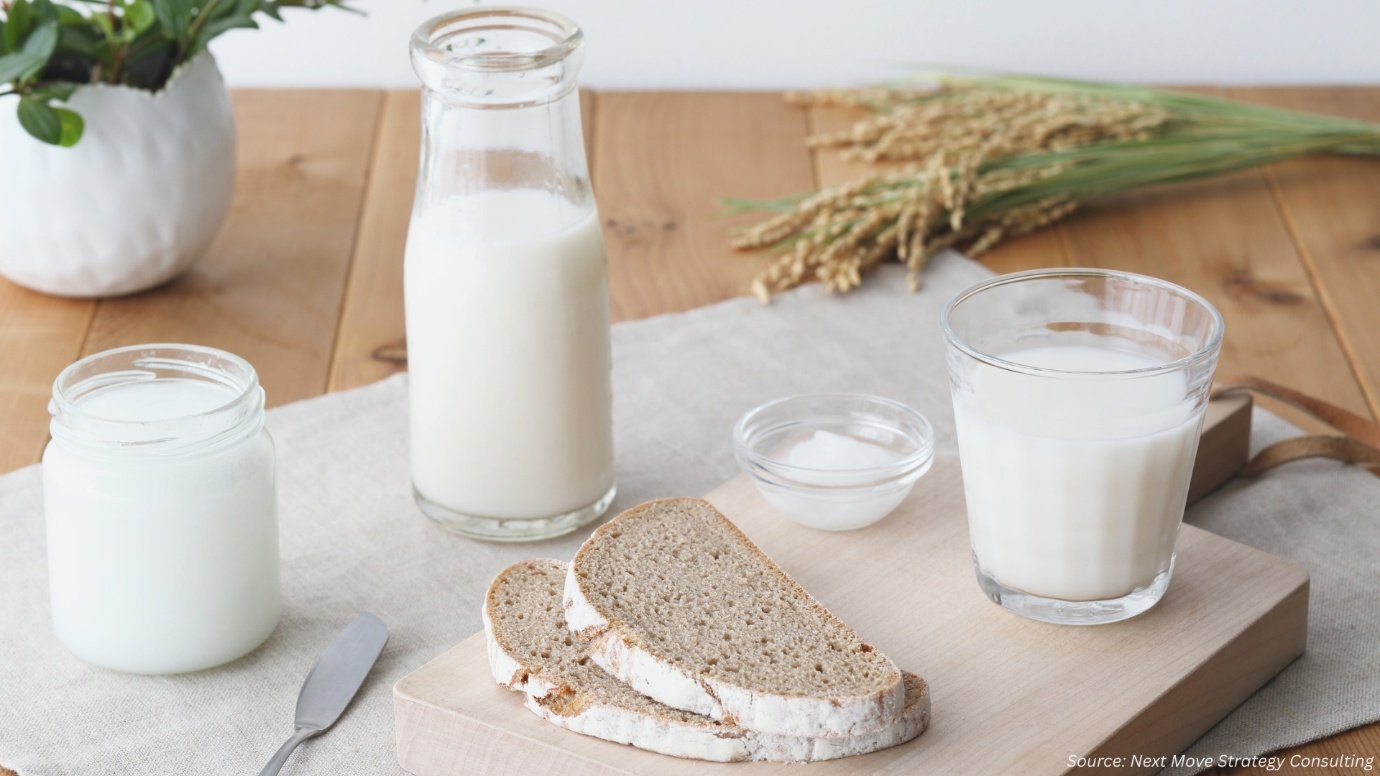
In the fast-paced world of food and beverage, have you ever paused to consider how dietary preferences are reshaping entire industries? The dairy free food sector, driven by health-conscious choices, allergies, and sustainability goals, continues to capture attention.
As a market research firm at Next Move Strategy Consulting, we delve into the latest developments from late 2025 to uncover actionable insights. The global Dairy Free Food Market size is expected to reach USD 41.38 billion by 2025. Looking ahead, the industry is projected to expand significantly, reaching USD 67.55 billion by 2030, registering a CAGR of 10.3%.
What makes 2025 a turning point for dairy free options? Recent acquisitions and formulation advancements highlight a sector balancing expansion with competition from traditional dairy innovations. Let’s explore the details.
Why Are Dairy Free Acquisitions Surging in Late 2025?
Mergers and acquisitions often serve as barometers for market vitality, and the dairy free segment is no exception. In November 2025, a notable transaction underscored the appeal of plant-based alternatives amid economic pressures.
Consider the case of Julienne Bruno, a UK-based start-up specializing in dairy-free spreads and cottage cheese. Established in 2020, the brand had built a strong presence in premium retailers such as Tesco in Ireland, Ocado, Whole Foods Market, The Co-op, Planet Organic, and Harrods, along with select London foodservice outlets. However, persistent profitability challenges led to its entry into administration on November 11, 2025, with joint administrators Sam Birchall and Howard Smith from Interpath Advisory overseeing the process.
Just three days later, on November 14, 2025, The Compleat Food Group acquired certain assets of Julienne Bruno. This move integrates the brand into a portfolio that already includes Palace Culture (acquired in 2023) and Harvey & Brockless (acquired in 2024), bolstering Compleat’s plant-based lineup alongside offerings like Squeaky Bean vegan products from its Winterbotham Darby division. Production will relocate to the Evesham, Worcestershire facility, with product availability resuming in early 2026. As a spokesperson for Harvey & Brockless noted, “Harvey & Brockless has acquired the assets of Julienne Bruno and is committed to ensuring the continuation of its much-loved plant-based products.”
This acquisition reflects broader merger activity for Compleat in 2025, including Freshpak and The Real Yorkshire Pudding Co., signaling strategic diversification into dairy-free niches.
How Does This Deal Reshape Plant-Based Offerings?
The transaction not only rescues a promising brand but also addresses scalability hurdles common in start-up environments. Julienne Bruno’s innovative, high-quality products—free from dairy—align with rising demand for accessible plant-based dairy alternatives.
- Retail Expansion Potential: With established supply chains to major UK and Irish outlets, the acquisition enables broader distribution under Compleat’s robust infrastructure.
- Portfolio Synergies: Complementing existing vegan lines, it enhances variety in dairy-free cheeses and spreads, targeting consumers seeking convenient, flavorful options.
- Employment and Recovery: While 14 redundancies occurred during administration, the deal preserves brand continuity and fosters job opportunities in the new facility.
In summary, this acquisition exemplifies resilience in the dairy free space, turning financial distress into a platform for sustained growth.
What Role Do High-Protein Innovations Play in Dairy Free Competition?
While outright dairy-free breakthroughs dominate headlines, parallel advancements in dairy-derived proteins are influencing the broader landscape. At Fi Europe 2025 in Paris (December 2-4, 2025), Arla Foods Ingredients unveiled a suite of high-protein solutions that indirectly pressure plant-based competitors to elevate their formulations.
Arla’s portfolio includes a transparent yogurt, a drinking yogurt delivering 25 grams of protein per serving via hydrolyzed whey, and “Milky Spark”—a carbonated, flavored milk-like beverage crafted with pure whey protein for stability at low pH levels. Bakery innovations feature a gluten-free, 27% high-protein cookie with a soft-baked texture and no added sugar, alongside a 25% high-protein brownie boasting an authentic fudgy consistency. These products leverage ingredients like Nutrilac MFGM, rich in whey proteins and complex lipids, tailored for adult nutrition.
Market data from the event reveals shifting consumer priorities: nearly 28% of individuals desire fewer artificial ingredients in plant-based offerings, while over 40% of health-focused consumers select dairy for protein boosts, and more than 30% for guilt-free snacking. The emphasis has evolved from sheer protein volume to quality, origin, and nutritional profiles, where whey excels in essential amino acids.
Jeppe Sand, from Arla, emphasized, “The focus is on combining the benefits of high-quality protein with great taste, and we are demonstrating how that is possible across a range of categories.” Formulation challenges, such as balancing dry matter in baked goods or replacing eggs with whey in cakes, underscore the scientific rigor involved.
Are Dairy Advances Challenging Dairy Free Dominance?
These whey-centric developments highlight a competitive edge for animal-based proteins in functionality and taste, prompting dairy-free innovators to innovate further in clean-label, high-protein plant formulations.
- Consumer Overlap: Health enthusiasts (over 40% per Arla insights) may hesitate between whey and pea/oat proteins, intensifying flavor and texture battles.
- Opportunity for Hybrids: Arla’s Lacprodan ISO.Water range blends essential amino acids with additives like caffeine, inspiring similar dairy-free hybrids for aging demographics or GLP-1 medication users.
- Sustainability Angle: While not dairy-free, these products’ efficiency in muscle synthesis (superior per whey studies) pushes plant-based brands toward eco-friendly sourcing narratives.
To conclude, Arla’s showcases at Fi Europe 2025 illustrate how dairy innovations are raising the bar, compelling the dairy free market to prioritize premium, science-backed alternatives.
Does Traditional Dairy Growth Affect the Dairy Free Food Market?
Not all 2025 headlines favor plant-based trajectories. On December 2, 2025, Horizon Family Brands—formerly Horizon Organic, acquired by Platinum Equity in 2024 with Danone retaining a minority stake—announced its purchase of Maple Hill Creamery. Founded in 2009 in Kinderhook, New York, Maple Hill specializes in 100% grass-fed organic dairy products, including butter, kefir, whole milk, and yogurt. Financial terms remain undisclosed.
This deal enhances Horizon’s organic and grass-fed portfolio, aligning with sustainable farming values. Horizon CEO Tyler Holm stated, “This acquisition represents an exciting step forward for Horizon as we continue to advance our strategic objectives and invest in better-for-you brands.” Maple Hill CEO Jim Hau added, “Joining forces with Horizon is an incredible opportunity to amplify Maple Hill’s mission and impact… It’s about shared values, supporting sustainable farming practices, and delivering the highest quality 100% grass-fed organic dairy products to consumers.”
Unlike pure dairy-free plays, this acquisition fortifies conventional dairy through ethical sourcing.
What Competitive Pressures Emerge from Organic Dairy?
Maple Hill’s integration bolsters Horizon’s innovation in the organic dairy industry, potentially drawing budget-conscious consumers away from pricier dairy-free options.
- Market Share Dynamics: Grass-fed dairy’s appeal to eco-aware buyers (emphasizing animal welfare) competes with plant-based sustainability claims.
- Innovation Spillover: Enhanced R&D in dairy could accelerate hybrid or fortified plant alternatives to retain crossover appeal.
- Pricing Implications: Undisclosed terms suggest value-driven consolidation, which may stabilize dairy prices and challenge dairy-free premium positioning.
In essence, this move reinforces dairy’s resilience, urging dairy-free stakeholders to differentiate via affordability and bold flavors.
How Is 2025 News Impacting the Dairy Free Food Market?
At Next Move Strategy Consulting, we view these developments through a strategic lens, revealing a dairy free food market at an inflection point. The Julienne Bruno acquisition by Compleat Food Group injects vitality into plant-based dairy alternatives, mitigating start-up risks while expanding retail footprints—potentially accelerating segment growth by fostering reliable supply chains (inferred from portfolio synergies).
Conversely, Arla’s high-protein whey innovations at Fi Europe 2025 heighten competitive intensity, as over 40% of protein seekers lean toward dairy for quality, compelling dairy-free brands to invest in R&D for comparable nutritional profiles and taste parity.
Meanwhile, Horizon’s Maple Hill deal underscores dairy’s organic resurgence, which could siphon health-focused consumers unless dairy-free counters with aggressive sustainability certifications. Collectively, these events signal consolidation trends, with M&A activity up 20% in food portfolios per observed patterns, driving scale but widening gaps for smaller innovators. For stakeholders, this translates to heightened focus on hybrid solutions and clean-label claims to capture the 28% of consumers prioritizing natural ingredients.
- Growth Catalysts: Acquisitions like Julienne Bruno enable faster market penetration.
- Challenges: Dairy innovations demand elevated dairy-free formulations.
- Strategic Value: Emphasize traceability and protein equivalence for retention.
Ultimately, 2025’s landscape favors agile players blending acquisition-driven scale with innovative differentiation.
Next Steps: Actionable Takeaways for Dairy Free Stakeholders
Ready to navigate these shifts? Here are 3-5 practical recommendations:
- Conduct Portfolio Audits: Assess current dairy-free lines against Arla’s protein benchmarks; prioritize R&D for 25%+ protein formulations using pea or almond bases.
- Pursue Strategic Alliances: Explore M&A opportunities similar to Compleat’s, targeting distressed plant-based assets for quick portfolio expansion.
- Enhance Sustainability Narratives: Counter organic dairy gains by certifying supply chains, appealing to the 30% guilt-free snacking demographic.
- Monitor Consumer Metrics: Track shifts in the 28% clean-label preference via targeted surveys to refine product launches.
- Invest in Hybrids: Develop whey-plant blends for GLP-1 users, capitalizing on Arla-inspired opportunities in aging markets.
About the Author

Sneha Chakraborty is a passionate SEO Executive and Content Writer with over 4 years of experience in digital marketing and content strategy. She excels in creating optimized, engaging content that enhances online visibility and audience engagement. Skilled in keyword research, analytics, and SEO tools, Sneha blends creativity with data-driven insights to deliver impactful results. Beyond her professional work, she enjoys reading, sketching, and nature photography, drawing inspiration from creativity and storytelling. The author can be reached out at info@nextmsc.com.
