
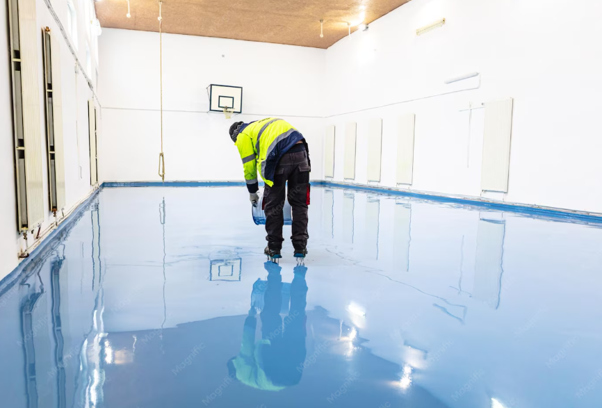
Old grey concrete foundations look rough after handling heavy machinery and messy fluid leaks for years. Rolling new paint over dirt never works out because the fresh liquid peels off inside a single month. Proper floor prep changes how well your new topcoat sticks to the cold masonry underneath. You must clear out deep oil spots and check for hidden cracks before the mix day. Spending extra hours fixing the base prevents bad bubbles from forming under your fresh surface later. A level room keeps your tools stable and prevents dangerous tripping accidents.
Why Surface Profile Matters Most
Liquid resins need an open texture to bite into the stone base securely. Smooth cement rejects thick chemical mixtures, which causes massive flaking problems down the road. Running heavy concrete grinding machines remove slick sealers and old yellow glue patches completely. It leaves a rough texture that resembles sandpaper, which is ideal for bonding. This mechanical step takes serious effort but guarantees your expensive topcoat stays stuck forever. Taking shortcuts here always results in a ruined floor that looks terrible.
Repairing Deep Pits and Cracks
Small hairline fractures grow wider when heavy trucks roll over the uneven ground. You need to chase out loose debris using a small hand tool before filling holes. Applying high-strength epoxy gel seals up these low spots tightly. The patch compound dries quickly so you can smooth it flat before coating begins. A level plane stops liquid polymers from pooling up in deep corners unnecessarily. Smooth bases make rolling large metal toolboxes across the shop extremely easy.
Testing for Rising Ground Moisture
Groundwater pushes up through porous stones constantly from beneath the dark house foundation. This unseen pressure lifts weak paint sheets until they bubble up and break apart entirely. Taping a clear plastic square to the cement helps you check for dampness overnight. If water drops form under the plastic, you need a special moisture-blocking basecoat first. Keeping the stone dry stops smelly mould from growing behind heavy wooden storage cabinets later.
Removing Stubborn Oil Contaminants
Greasy car stains stop new chemical layers from touching the real stone matrix properly. Basic soap will not cut through ancient transmission fluids that sank down deep years ago. Heavy degreasers must sit on the spot to pull the dark sludge out completely. Scrubbing the area with a stiff brush helps loosen up the slick layer before rinsing. The concrete must dry fully before anyone opens up the new liquid resin cans. Clean stone ensures your project succeeds.
Clearing Away Fine Grey Dust
Grinding stone blocks creates heaps of thick powder that fills up every corner. This fine grit settles back down onto the floor and ruins fresh liquid applications instantly. Using a high-powered industrial vacuum removes the small particles from every microscopic pore. Running a sticky microfiber tack cloth over the zone catches the remaining dust perfectly. A clean room keeps your topcoat smooth without any weird rough bumps showing through the finish.
Mixing Chemical Liquids Correctly
Resin products require exact measurements between the base liquid and the hardener fluid. Stirring too fast traps tiny air bubbles that leave ugly craters on your finished floor. Use a slow drill mixer to blend the compounds together thoroughly for a few minutes. You have a short amount of time to pour the mix before it gets hot and hardens inside the bucket. Working in small sections helps you spread the material evenly across the entire room.
Conclusion
Prepping your cement floor changes how long your new workspace remains useful and clean. A sturdy foundation blocks dampness and prevents expensive top layers from flaking away under heavy vehicle tyres. Taking time to clear out ancient grease patches keeps your building structurally sound for decades. Property owners can find excellent tips on proper substrate preparation by visiting epoxyflooringredlands.com.au to plan their workshop upgrade. Investing in quality groundwork ensures a beautiful space that handles daily chores without any unexpected structural issues.