
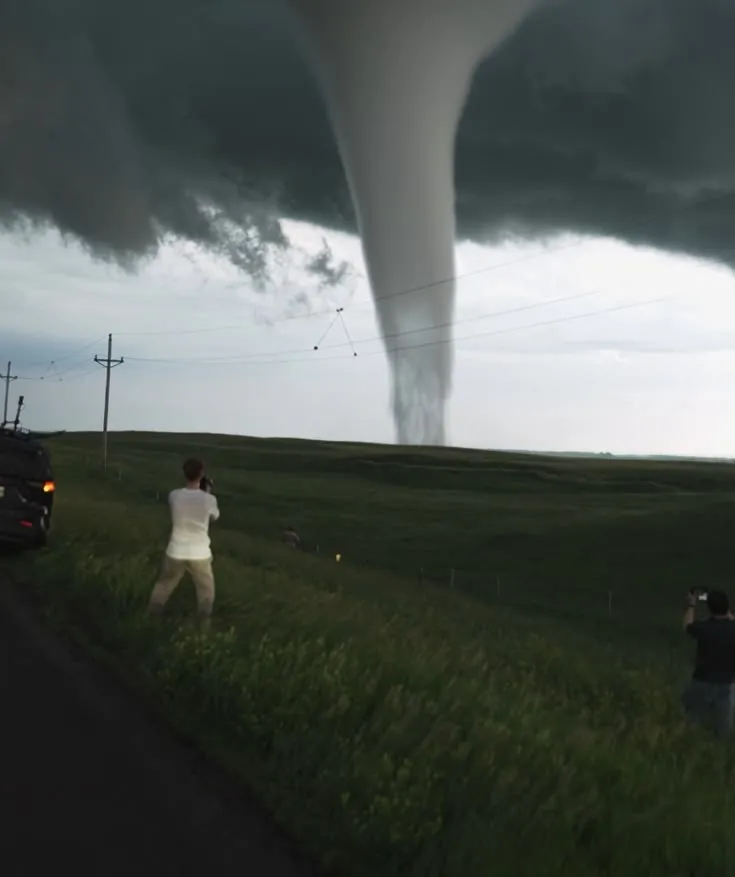
Digital photographs are easy to take and equally easy to forget. Hundreds of images can remain on a phone or computer without ever becoming a meaningful record of the trip. Travelers joining Kansas storm chasing tours 2027 can take a different approach by planning a personal photo book that combines weather, landscapes, places, and everyday travel moments.
A good photo book does not need every image captured during the journey. Careful selection is more important. By organizing photographs around the story of the trip, travelers can create a keepsake that remains enjoyable long after individual details begin to fade.
Start With the Journey, Not the Biggest Storm
The opening pages should establish where the experience began. A departure photograph, an early road scene, or a wide Plains landscape can introduce the setting before dramatic weather appears.
This gives the book a natural progression.
Starting immediately with the strongest storm photograph may leave nowhere for the visual story to develop. Showing quieter scenes first allows later weather images to feel more significant because the reader can see how the journey changed.
Give Each Travel Day Its Own Identity
Organizing photographs by day is one of the simplest ways to prevent a photo book from becoming a random gallery.
Each section could begin with a location, landscape, or road photograph before moving into the day’s most memorable scenes. A short caption can explain what made that particular day distinctive.
One day might be remembered for unusual cloud formations, another for rural scenery, and another for memorable evening light. This structure helps individual days remain separate in memory.
Mix Weather With Travel Details
Someone considering tornado chasing 2027 Wichita Kansas may expect storm photographs to dominate their collection. Including other subjects can actually make those images more effective.
A balanced selection might contain:
- Wide storm landscapes
- Rural highways
- Agricultural scenery
- Small-town landmarks
- Interesting cloud details
- Travel-day photographs
- Evening skies
- Personal or group memories
Alternating between these subjects gives the book visual variety and communicates what the complete journey involved.
Use Wide Images to Establish Place
A photograph of an impressive cloud can show weather, but a wide composition containing the surrounding landscape shows where that weather was experienced.
Fields, roads, distant structures, and broad horizons provide useful context. These images work particularly well across larger pages because they communicate the scale of the Plains.
They can also separate different sections of the book, creating natural pauses between groups of closer or more detailed photographs.
Keep Captions Short but Specific
Captions can preserve details that photographs cannot explain. However, lengthy paragraphs beneath every image can make a photo book feel crowded.
A few useful details are enough: the general location, what was happening, or why the scene was memorable.
Instead of writing “interesting clouds,” a caption might mention that the photograph was taken during an evening drive after a day crossing western Kansas. Specific context makes the image more personal without requiring extensive text.
Include the Quietest Moments
Travelers often delete photographs that appear less dramatic than their best storm images. Some of those quieter pictures may become more meaningful over time.
An empty road, a breakfast stop, a calm morning horizon, or the view outside overnight accommodations can trigger memories that a dramatic weather photograph does not.
Including a few ordinary scenes gives the finished book a more authentic travel rhythm.
Be Selective With Similar Images
Storms can encourage photographers to take many frames within a short period. Placing several nearly identical photographs together rarely improves the finished collection.
Choose the image with the strongest composition or clearest memory attached to it.
If two photographs show genuinely different stages of development, using both can demonstrate progression. Otherwise, one strong photograph usually has greater impact than a page filled with minor variations.
End With a Sense of Closure
The final pages should feel like the end of a journey rather than an abrupt stop.
An evening horizon, final road photograph, favorite landscape, or quiet image from the last travel day can provide closure. A brief personal note about what made the experience memorable can complete the book without becoming overly sentimental.
This gives the collection a beginning, middle, and end rather than presenting photographs without a narrative.
Conclusion
A thoughtfully assembled photo book can preserve far more than the most dramatic weather encountered during a trip. Combining storms with roads, landscapes, communities, quiet moments, and concise captions creates a fuller record of the journey and gives individual photographs meaningful context. After traveling with Storm Chasing Adventure Tours, guests can turn their images into a lasting visual story of the Great Plains—one that captures not just what appeared in the sky, but the places and experiences surrounding it.